







Search Results for: National Day order surge
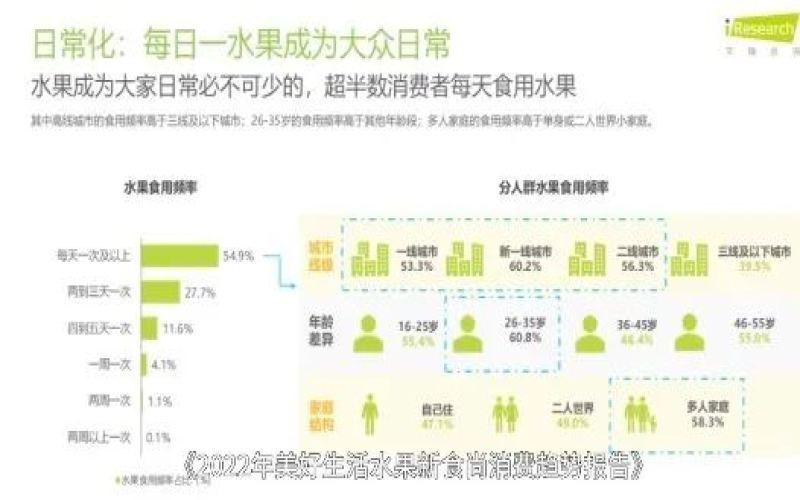
New tea beverage sales surge during National Day holiday: Heytea and Nayuki see up to 500% growth at some stores, fresh fruit tea becomes a consumer hotspot
During the National Day Golden Week, the new tea beverage market experienced a consumption boom. Sales at some outlets of leading brands such as Heytea and Nayuki grew by nearly 300% compared with before the holiday, with some stores seeing increases of as much as 500%, and fruit tea categories contributed nearly 80% of sales. Heytea's highest single-store daily fruit consumption exceeded 400 kilograms, while Nayuki's new products achieved cumulative sales of nearly one million cups. At the same time, both major brands lowered product prices, focusing on high cost-effectiveness. This article will analyze the performance and future direction of the new tea beverage industry in the holiday economy from the perspectives of sales data, supply chain layout, consumption trends, and pricing strategies. For more coffee bean news and specialty coffee recommendations, please follow Coffee Workshop and Front Street Coffee (FrontStreet Coffee). [more…]

During the Golden Week holiday, coffee shop business polarizes: some are flooded with orders and so busy the breaker trips, while others tend their shop all day and sell only 19 cups.
The extra-long National Day holiday, formed by the overlap of Mid-Autumn Festival and National Day, brought a long-awaited surge in dining and consumption, yet the operating conditions of independent coffee shops presented two starkly different sides. Some stores saw a surge in popularity, with orders pouring in continuously, baristas so busy they were run off their feet, and there were even cases of circuit breakers tripping due to excessive load; meanwhile, another group of café owners complained online that foot traffic had declined instead of increased, with a scenic-area store selling only 19 drinks all day, and shops around office buildings even more deserted. Within the same Golden Week, the joys and sorrows of coffee people were not shared alike. This article will present the real operating conditions of these two types of stores and explore the operational pressures and challenges the coffee industry may face after the holiday consumption peak. [more…]

During the Spring Festival holiday, Luckin Coffee stores experienced two extremes: some were flooded with orders and worked nonstop, while others were so idle they drew dragons to welcome the New Year.
During the Spring Festival, while most industries enter holiday mode, the operations of coffee shops present a strikingly different picture. Some Luckin employees had expected an easy shift during the holiday, only to be hit by an unexpected flood of orders, working nonstop from morning to night. Meanwhile, others staying at their stores enjoyed a rare stretch of quiet time, with some even having the leisure to draw dragon-year patterns on packaging bags. This polarizing Spring Festival work experience reflects how young people's strong demand for coffee has now extended to their hometowns and into the holiday period. This article takes you through the real Spring Festival working conditions of Luckin baristas and the unique warmth of coffee culture during the festive season. [more…]
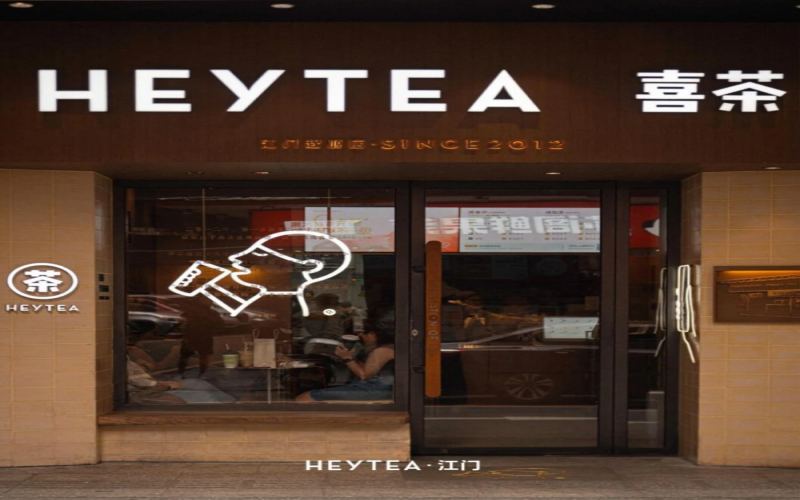
National Day at Heytea's original store: 4,500 cups in a single day, queues over two hours, staff so exhausted they fell asleep on the spot
During the recent National Day holiday, sales at multiple Heytea stores experienced explosive growth, with some stores seeing increases of over 600%. Among them, the Heytea original store located in Jiangbianli, Jiangmen, Guangdong became the focus: both total sales and single-store single-day sales topped the lists, with overall sales rising 210% compared to before the holiday, and the highest single-day sales exceeding 4,500 cups. On social platforms, many consumers posted screenshots of queues with waits of over 140 minutes, while store employees worked overtime for consecutive days, with some so exhausted they fell asleep on the spot. This cup of Jiangbianli-exclusive Zhizhi Ganpu reached a peak single-day sales of 3,500 cups, a 550% increase compared to before the holiday. This article takes you through the real situation of this original store during the holiday. [more…]

Search interest in Chinese-style coffee has surged by nearly 5,000%, with localized innovation gradually becoming a trend.
In recent years, more and more products and spaces with Chinese elements have emerged in the coffee field. From brands and bean sources to creative beverages and store designs, coffee's "Chinese flavor" has become increasingly pronounced. Data shows that in the third quarter of this year, searches for "coffee + art" increased by 3,025% year-on-year, searches for "specialty coffee" grew by 207%, and search interest in "Chinese-style coffee" surged by 4,713% year-on-year. Behind this phenomenon is not only the rise of local coffee brands and the improvement in the quality of Yunnan coffee, but also a reflection of the new generation of consumers' preference for national trends and local culture. Coffee shops have narrowed the distance between Chinese people and coffee through traditional tableware, Chinese-style interior design, and innovations with regional ingredients. Although Chinese-style coffee has not yet formed an independent school, its boundary-breaking exploration has already attracted widespread attention. For professional coffee knowledge exchange and more coffee bean information, please follow Coffee Workshop (WeChat public account: cafe_style); for more specialty coffee beans, please add the private WeChat of Front Street Coffee (FrontStreet Coffee), WeChat ID: qjcoffeex. [more…]
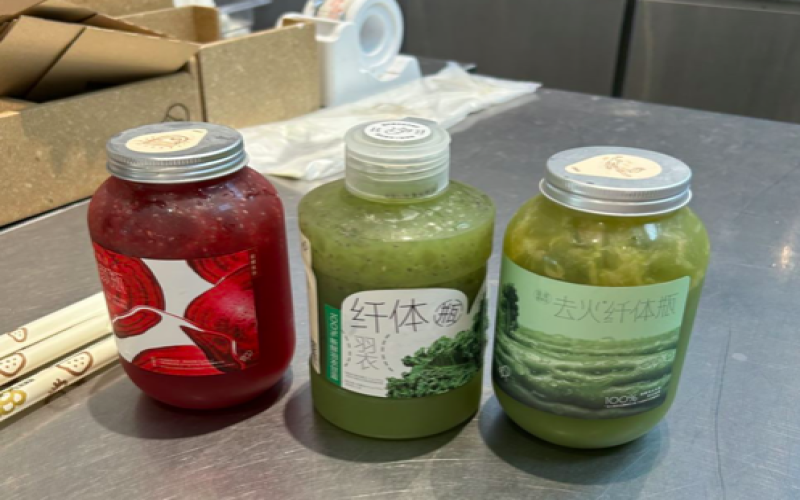
HEYTEA's Super Plant Tea keeps launching new products, and back-of-house staff turned into all-day fruit and vegetable processors are crying out that they can't take it anymore.
Heytea's "Super Plant Tea" family has welcomed a new member, the Red Beet Beauty Bottle, and the pace of new product launches in the fruit and vegetable beverage track is remarkable. However, behind the frequent launches, the work intensity in store back kitchens is constantly increasing. From the original chia seed slimming bottle to the bitter melon fire-clearing slimming bottle, and now to the new red beet product, employees are constantly busy around the sink, cutting board, and blender, washing vegetables, peeling, chopping, blanching, and juicing, with increasingly complicated procedures. The surge in orders during the National Day holiday has made workers complain endlessly, with some sighing that they have to process more than ten jin of fruits and vegetables a day, and blenders even overloaded to the point of smoking and breaking down. This article takes you through the real working conditions of Heytea's back kitchen employees, and the little-known daily hardships under the fruit and vegetable beverage craze. [more…]

Heytea's Jiangbianli Original Store Hits Record Orders Again During May Day: 1,000 Cups in 12 Minutes, 28 Staff Working Nonstop Still Overwhelmed
During last year's National Day holiday, the original Heytea store in Jiangbianli, Jiangmen, became a hot spot for tourists thanks to its store-exclusive "Cheese Mandarin Pu'er" drink, topping both the total sales and single-store daily sales charts. This year's May Day, the store was once again overwhelmed by consumer enthusiasm—the mini-program showed "1,002 cups ahead waiting to be made," and on May 3, orders surpassed a thousand cups just 12 minutes after opening, with the ordering channel automatically shutting down as many as 7 times that day. The store covers about 20 square meters, yet at peak times as many as 28 employees were working simultaneously, each putting in 13 hours on average, and even the tea brewing machines broke down from overwork. Meanwhile, reports suggest that "Cheese Mandarin Pu'er" may be rolled out at stores nationwide in the future, meaning Heytea fans may no longer need to make a special trip to the original store. This article is compiled from Coffee Workshop, giving you a look at the real situation of this unusual store's order surge and the true state of its employees. [more…]

During the May Day holiday, Mixue Bingcheng's Zhengzhou headquarters became a hot spot for visitors, with long queues and sold-out issues occurring simultaneously.
During the May Day holiday, Mixue Bingcheng's headquarters in Zhengzhou, Henan unexpectedly became a popular check-in spot for tourists, with long queues forming outside the flagship store for three consecutive days, and visitors heading straight there with their suitcases. The limited-edition drinks and ice cream sold at the headquarters were affordably priced, attracting a large number of fans eager to experience the atmosphere of the "Snow King's" hometown. However, foot traffic far exceeded expectations, and some customers who had queued for hours found products sold out, while picking up orders and paying also required long waits. This sudden check-in frenzy showcased Mixue Bingcheng's immense popularity nationwide, but also exposed the brand's shortcomings in holiday inventory reserves and staffing arrangements. [more…]

The Battle for the Campus Coffee Market: Why Major Brands from Mixue Bingcheng to Luckin Are Rushing to Capture Universities
After the military training dismissal during the back-to-school season, the scene of students swarming toward beverage shops sparked heated discussions online, and Mixue Bingcheng was jokingly called "Mixue Bingcheng" for a time. In fact, brands such as Starbucks, Cotti, Manner, M Stand, Nowwa Coffee, and Luckin have long quietly established a presence on university campuses, among which Luckin's campus stores have exceeded 1,000. Why have campuses become a must-win battleground for coffee brands? Low-price strategies, dense foot traffic, and relatively low operating costs form the core appeal. Lucky Cup has even made "opening in universities" its primary goal for nationwide expansion, having already opened more than 260 campus stores. This article will provide an in-depth analysis of the competitive landscape, pricing logic, and cyclical challenges of the campus coffee market. [more…]

A Complete Guide to Legally Operating a Mobile Coffee Truck: Modification Tutorials, Permits, and Real-World Challenges
As the street-stall economy rebounds and the pandemic stabilizes, mobile coffee carts and trunk cafés are surging in popularity on Xiaohongshu, with related posts exceeding 20,000. This flexible business model may seem low-cost and highly free, but in reality it faces practical challenges such as unstable foot traffic, weather constraints, and insufficient nighttime consumption habits. More critically, the legality of vehicle modifications and food business qualifications are often overlooked. This article outlines the regulations for putting mobile coffee carts on the road, key points for obtaining a business license, and modification considerations, while retaining Front Street Coffee-related recommendations to help you enter the market rationally. [more…]

Heytea officially opens business partner franchising: investment within 500,000 yuan, focusing on small stores of about 50 square meters—can it leverage this to break through into lower-tier markets?
Following the closure of the last store of its sub-brand Xixiaocha, Heytea confirmed on November 3 that it will open franchising, with partnership fees kept under 500,000 yuan and franchise store formats primarily under 50 square meters. Heytea stated it will leverage a decade of accumulated experience and resources to develop its partnership business in non-first-tier cities with suitable store formats, providing partners with comprehensive support in branding, products, quality control, food safety, operations, training, and supply chain. In recent years, Heytea has accelerated its expansion into lower-tier markets, successively adjusting prices, launching IP collaborations, and shutting down its budget sub-brand. Opening franchising is now seen as a key step to further capture market share in third- and fourth-tier cities. Whether the new tea beverage sector will face a new round of involution, and whether direct-operated brand Nayuki will follow suit, remains worth watching. [more…]
Ethiopian Natural Coffee Flavor Analysis: Front Street Coffee Huakui 8.0 vs. Geisha Variety Registration Differences
Front Street Coffee's Ethiopia Sidamo Huakui, a classic staple for fans of fruity-acidic coffee, has now reached its 8th harvest season, and the latest batch, "Huakui 8.0," has arrived on schedule. This article explores the origin of the name Huakui, its essential differences from Geisha, its history of winning the TOH competition, and the logic behind its annual version updates, while also sharing an unboxing and tasting record of Front Street Huakui 8.0 along with brewing parameters. From dry aroma to slurping, this new-season natural bean presents multiple fruit notes such as guava, jackfruit, and apricot, with a clear juicy quality and rich layers. Does this year's Huakui 8.0 actually have that "Huakui flavor"? Follow along with Front Street's cupping and brewing process to find out. [more…]
What variety is Huakui coffee? How does Huakui 8.0 differ from 7.0? Is Huakui the same as Geisha?
Friends who enjoy coffee with fruity acidity are certainly no strangers to Front Street Coffee's Ethiopia Sidamo Huakui. Since this bean first appeared in 2017, it has gone through eight harvest seasons, and the latest batch has, as usual, been named "Huakui 8.0." Many people new to specialty coffee often confuse Huakui with Geisha, and some even think Huakui is a top-tier Geisha—but in reality, the two are completely different. This article will start with Huakui's origin background, the story behind its name, and the meaning of its version numbers, then combine that with the actual brewing performance of Front Street Coffee's Ethiopia Sidamo Natural Huakui 8.0 to give you a comprehensive understanding of this champion bean's past and present, and to explain exactly what its signature "Huakui flavor" really is. [more…]

Hawaii Kona Coffee Beans: Origin Story, Variety Characteristics, and Pour-Over Parameters Fully Explained
Hawaiian Kona coffee is renowned for its rich malt-sugar sweetness and mellow, balanced flavor, making it a specialty representative in the hearts of coffee lovers. However, in recent years this producing region has faced the threat of leaf rust, and combined with historical pest outbreaks and reduced rainfall, its yield and price have drawn much attention. In this article, Front Street Coffee will guide you through the cultivation story of the Kona region, the characteristics of the Typica variety, the washed processing method, and share Front Street's roasting and pour-over extraction parameters, fully presenting the complete flavor picture of Kona coffee from seed to cup. [more…]
What grade do Yirgacheffe coffee beans belong to? A full breakdown of flavor differences from Huakui and processing methods
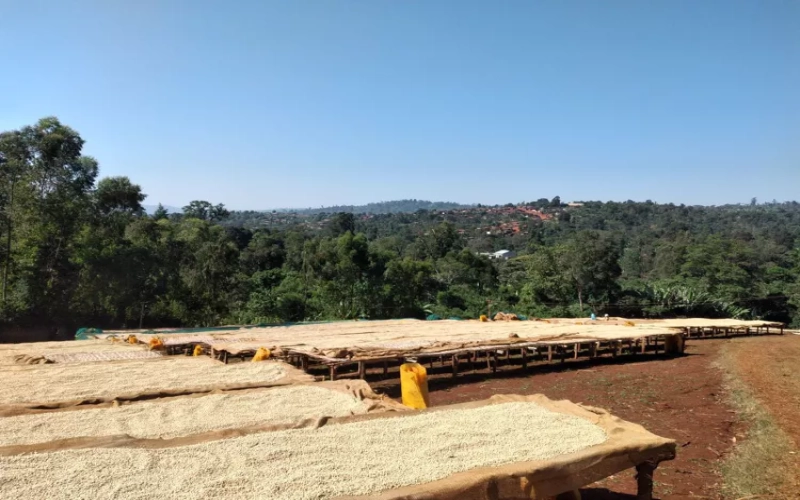
Yirgacheffe and Huakui are both representatives of Ethiopian specialty coffee, but the two differ in their region of origin, grading, processing methods, and flavor profiles. This article starts with the growing conditions and cooperative system of Yirgacheffe town, sorts out the influence of washed and natural processing on flavor, and compares the differences between Front Street Coffee's Yirgacheffe and Front Street Coffee's Huakui in aroma, acidity, and body. It also introduces the origin of the batch suffix in Huakui and its SOE performance, [more…]
An In-Depth Analysis of Ethiopia Guji Hambela Sun-Dried Beans: Flavor Characteristics and Brewing Tips
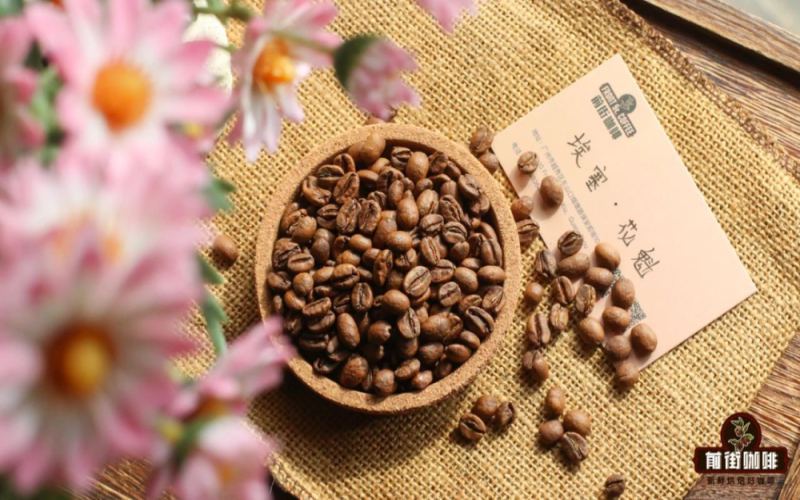
Huakui coffee is undoubtedly one of the most talked-about Ethiopian natural beans in the specialty coffee scene in recent years. Since winning the TOH competition in 2017, this coffee from the Guji Hambela region has conquered countless palates with its intense berry aroma and creamy texture. Brewed as black coffee, it presents sweet notes of almond and caramel at high temperatures; as it cools, blackcurrant-like sweet-tart flavors gradually unfold, with a honey-like lingering sweetness in the finish. Since its launch on the Front Street Coffee Tmall flagship store, this coffee bean has consistently remained on the bestseller list. This article will take you through the region's background, the story of the processing station, varietal characteristics, and roasting and brewing parameters to fully understand what makes Huakui coffee so unique. [more…]
Why is Yirgacheffe coffee so highly favored? A full analysis of its producing region, grades, varieties, and pour-over grinding parameters
Yirgacheffe is one of Ethiopia's most representative specialty coffee regions, known for its bright citrus acidity, abundant white floral aromas, and honey-like sweetness. This article starts from the geography of the region, the cooperative system, variety characteristics, and the differences between washed and natural processing methods, systematically sorting out the sources of Yirgacheffe's flavor, and provides specific extraction parameters such as pour-over grind size, water temperature, and coffee-to-water ratio. It also compares the differences between Front Street Yirgacheffe and Front Street Sidamo Flower Queen, two Ethiopian beans, to help coffee enthusiasts understand the unique charm of this region more comprehensively. [more…]
Why is Yirgacheffe so highly favored? A detailed explanation of its origin terroir, processing methods, and pour-over grinding key points
Yirgacheffe is one of Ethiopia's most iconic specialty coffee regions, renowned for its bright citrus acidity and rich white floral aromas. This article provides a systematic analysis of the flavor sources of Yirgacheffe coffee beans from the perspectives of regional geography, the cooperative system, washed and natural processing methods, and heirloom variety characteristics, and offers Front Street Coffee's pour-over parameter recommendations for Yirgacheffe. At the same time, the article also compares it with Front Street Coffee's Huakui coffee beans, which also belong to the Ethiopian family, helping readers clarify the differences between the two in terms of origin, processing method, and flavor performance, so that suitable references can be found whether for daily pour-over or espresso SOE. [more…]
From Juan Valdez to Coffee Chains: The History, Challenges, and Transformation of Colombia's Coffee Industry
Colombian coffee is renowned worldwide for its mild, low-caffeine Arabica varieties, and the image of Juan Valdez—wearing a wide-brimmed straw hat and leading a donkey—is deeply ingrained in people's minds. From the founding of the National Federation of Coffee Growers in 1927, to the creation of the classic brand ambassador by an advertising agency in 1959, to the opening of Juan Valdez cafés in the 21st century to compete directly with Starbucks, the Colombian coffee industry has walked a path of transformation from passive reliance on the futures market to actively building its own brand. This article traces the origins and development of the Juan Valdez brand, analyzes the impact of international coffee price fluctuations on coffee farmers, and ventures deep into the mountains of Huila Department to document the real lives and aspirations of organic growers. It also examines the potential and challenges of Colombian coffee in emerging markets such as China. [more…]
A Roundup of the World's Top Ten Most Famous Coffee-Producing Countries: From Brazil to Jamaica, a Pour-Over Coffee Flavor Ranking
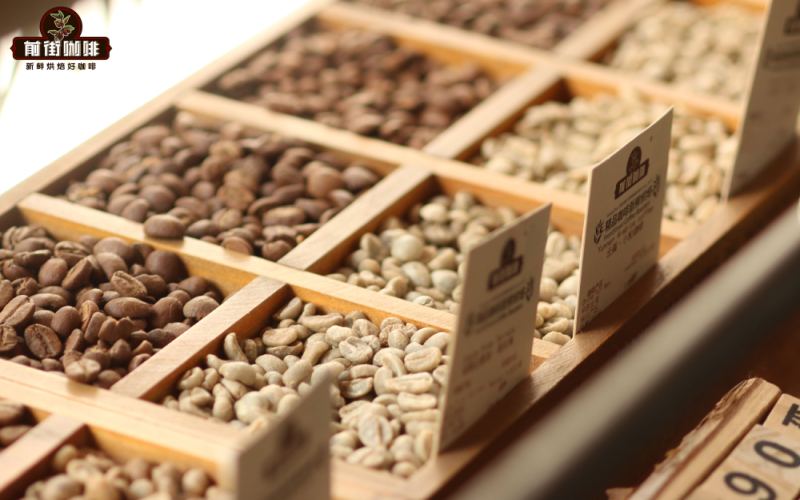
Since the 15th century, coffee has been woven into human life as a stimulating beverage. With the arrival of the third wave of specialty coffee, roasters have increasingly favored lighter roast profiles, and the distinctive fruity acidity in coffee has won over countless palates. Faced with the dazzling array of origins, estates, and processing methods on the bean shelves at Front Street Coffee, newcomers to this world inevitably feel at a loss where to begin. This article will walk through ten highly representative coffee-producing countries one by one—from Brazil's gentle sweetness and Colombia's hard-bean character, to Guatemala's balanced nutty notes and Costa Rica's honey-processed sweetness, then on to Panama Geisha's floral-fruity explosion, Kenya's bright fruity acidity, Ethiopia's origin flavors, Indonesia Mandheling's rich and full-bodied charm, China Yunnan's local exploration, and Jamaica Blue Mountain's legendary status—providing coffee lovers with a clear flavor navigation guide. [more…]